Posts

Winter Pranayama: Yogic Breathing Practices for Energy, Immunity, and Calm

Winter invites us to slow down and turn inward. Shorter days, colder weather, and dry air can affect both our body and mind. This is the perfect season to focus on yogic breathing practices, or pranayama, which support energy, immunity, and can create a sense calm. By aligning our breath with the season, we can stay warm, balanced, and resilient throughout winter.You may be familiar with the Ice Man Wim Hof, who utilises the breath for managing extremes of temperature. However, we do not have to go to extremes to benefit from deepening our breathing practices in the winter season. There are several practices from the simple to the more complex, that can suport your body and mind in the cold winter months.

Why Breathing Practices Matter More in Winter

During winter, many of us experience low energy, stiffness, and mental restlessness. From a yogic perspective, the season often increases Vata and Kapha tendencies, which manifest as dryness, heaviness, or congestion. Winter wellness yoga encourages gentle, mindful breathing practices to counteract these effects. Conscious breathing improves circulation, warms the body, and helps regulate the nervous system, keeping us grounded even on the coldest days.

How Winter Affects the Breath and Nervous System

Cold weather can lead to shallow breathing, tight muscles, and mental fatigue. Our lungs may feel constricted, and stress or anxiety can rise as daylight decreases. Seasonal yoga for cold weather practices, particularly pranayama, help release tension, increase oxygen flow, and restore a sense of calm. Regular practice supports not only physical health but also emotional balance, making the mind as resilient as the body during winter.
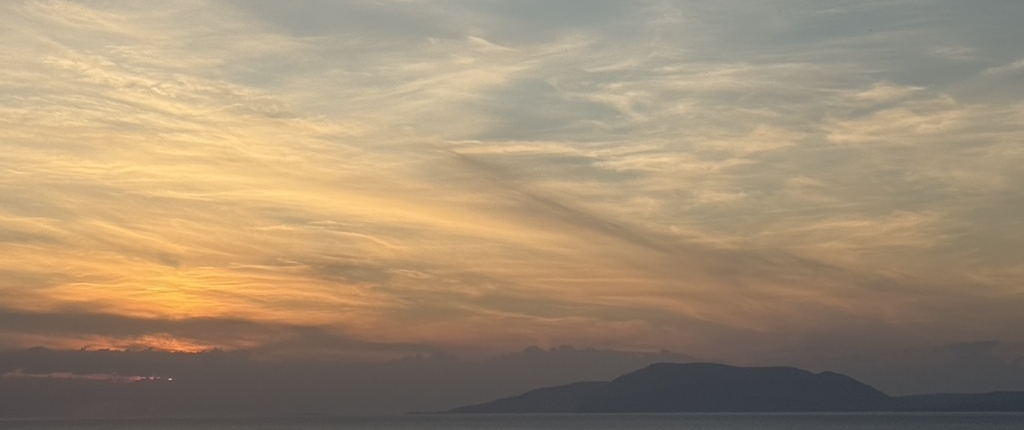
Winter sunset

Winter sunset

Best Yogic Breathing Practices for Winter

Here are three effective winter pranayama practices to incorporate into your daily routine:

Dirga Pranayama (Three-Part Breath)

Also called the three-part breath, Dirga Pranayama gently expands the belly, ribs, and chest with each inhale, and empties completely on the exhale. Try inhaling for four counts and then exhaling for four counts; if you find this comfortable you can extend the exhalations to calm your nervous system. Practicing this for five to ten minutes daily enhances lung capacity, promotes relaxation, and generates internal warmth. This gentle technique is perfect for beginners or anyone seeking calming breathing techniques for winter.

Ujjayi Breath for Inner Warmth

Ujjayi, or “victorious breath,” slightly constricts the back of the throat, creating a slow, audible breath, a little bit like you are about to snore, or if you were trying to mist up a bathroom mirror with your breath and then closed your lips. This practice increases circulation, raises body temperature, and strengthens focus. It’s especially useful during winter yoga practices or as a calming ritual during times of stress.

Nadi Shodhana for Balance and Calm

Alternate nostril breathing, or Nadi Shodhana, balances the left and right sides of the nervous system. It reduces anxiety, improves focus, and supports immune function. Practicing this in the evening helps transition the body into deep rest, making it an excellent pranayama for stress and anxiety in winter. Here is a popular video that shows you more about the pranayama practice.

Making Winter Pranayama Part of Your Daily Routine

The key to winter breathing practices is consistency and mindfulness. Even five to ten minutes a day can improve energy, immunity, and mental clarity. Begin your morning with warming breaths, or practice calming techniques like Nadi Shodhana in the evening to ease tension and prepare for restful sleep. By tuning in to the breath, we honour the slower pace of winter and allow the body to restore itself naturally.


Wishing you the best with your yoga practice!

With love,

Genny


The Body Scan meditation is a wonderful way to relax, de-stress and unwind.

In the hustle and bustle of our fast-paced lives, finding a moment of calm can feel like an elusive dream. Enter body scan meditation – a powerful practice that holds the key to unlocking a treasure trove of physical and mental well-being. If you’ve ever found yourself yearning for a simple yet profound way to de-stress, unwind, and reconnect with your inner self, the body scan meditation might just be the answer you’ve been searching for.

What is Body Scan Meditation?

At its core, body scan meditation is a mindfulness technique that involves directing your attention to different parts of your body, systematically and progressively. This practice invites you to explore sensations, tensions, and feelings within each region, fostering a deep connection between your mind and body.

The beauty of body scan meditation lies in its simplicity. You don’t need any special equipment, a dedicated space, or a guru on a mountaintop. All that’s required is a few minutes of your time, an open mind, and the willingness to embark on a journey within yourself.

Read more

It’s official: Being near water is good for you!


I have recently completed my MSc in Psychology and for my final dissertation I researched the benefits of being in or near water on mental wellbeing. The results showed that there were strong positive connections between spending time near water and increased wellbeing, including:

  • Increased relaxation
  • Reduced stress
  • Improved self-belief (self-efficacy)
  • Improved connection to nature
  • Connection with others
  • Improved outlook on life

I have long been a proponent of yoga outdoors and practice outside whenever the weather in Ireland permits! My research has backed up other findings on the benefits of Blue Space and mental wellbeing (if you are interested in finding out more, then I would recommend the book Blue Mind, by Wallace J Nichols).  Moreover, by practicing yoga near water you also get the added physical and mental benefits of yoga! So get outside when you can and hunt down those beautiful, beneficial Blue Spaces!

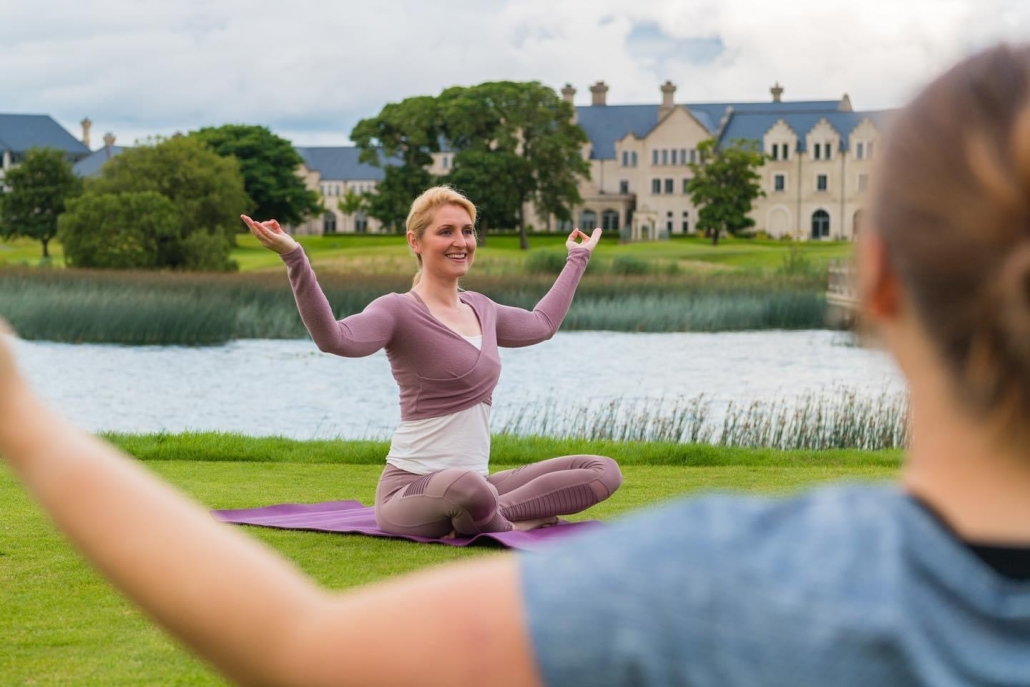
Lakeside yoga mediation

Yoga and relaxation by Lough Erne


By the way, I am looking forward to starting back with some Lakeside Yoga this summer, with the Lough Erne Resort in beautiful County Fermanagh. I will be taking yoga sessions on Tuesdays at 5pm and and Wednesday and Thursday Mornings at 10am, which are complimentary for guests at the Lough Erne Resort. Please contact them on 028 6632 3230 for details and booking or check out their website www.lougherneresort.com

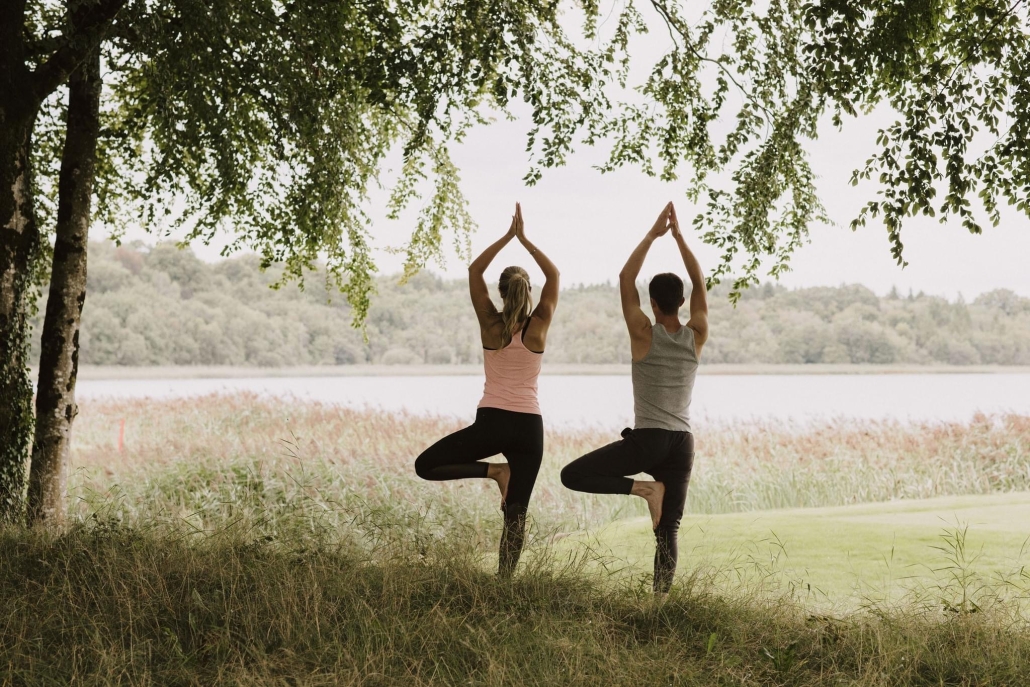
Tree pose under the trees

Tree pose under the trees

Welcome Autumn back with Yoga!

Feeling a bit stiff ‘round the edges? Looking to loosen up and wind down? You need some yoga! Join me this September, either online or in person.
⚡️Dynamic yoga will start back online from Wednesday 7th September, 7-8.15 pm. A flowing, more challenging practice for building strength and flexibility (£30 for 5 classes in a row).
🧘 Hatha yoga returns to the Aisling Centre on Thursday 1st September from 12-1.30pm, this is a more gentle yoga practice focussing on traditional postures to stretch and tone, there are also breathing and relaxation techniques to soothe the nervous system. (£30 for 4 classes in a row).
Yoga Ocean Classes September 21

Yoga Ocean Classes September 21


Contact me  for details and booking. I look forward to seeing you back on the mat! 🤗🙏

NEW Surf Stretch Sessions


Have you had a landlocked lockdown? The days are getting longer, restrictions are easing and getting back to the ocean is on the horizon. However, a lot of us have suffered these past months without access to the ocean, gyms or swimming pools and surf-fitness has gone by the wayside.

Wouldn’t it be great to jog down to the surf again and feel confident? Rather than standing in the carpark, worrying about your popup or if you still have paddle power? That’s how I feel, so I have developed the Surf Stretch Sessions: a series of 4 classes throughout April aimed at improving strength and flexibility for surfing.

Read more

How to create a Yoga Sanctuary At Home.

Do you follow yoga online? If so, follow these tips to create your own Yoga Sanctuary at home.

You don’t need to invest in loads of fancy yoga equipment up front, here I will share with you some yoga prop hacks so that you can make the most out of your yoga practice with items from around the home.

Yoga props are especially useful for restorative yoga practices. In the video below I will show how you can adapt and adjust your props at home to use with restorative yoga. I hope you enjoy!
Read more

Yoga classes temporarily postponed.


Dear friends, due to the current situation I have decided to postpone yoga classes for at least two weeks as of 16th March 2020.

This is to keep us all safe and to support the efforts of those across the border in Ireland, who are making great sacrifices at this time.

I will keep you updated. I will be posting up some online yoga classes for you to practice at home over the next few weeks.

For those who paid in advance, we can either put it towards future classes or contact me directly for a refund.

In the meantime, stay safe folks!

Looking to unwind? Try this guided yoga relaxation and stress relief technique.


Click on the video below to hear a 15 – 20 minute version of Yoga Nidra: a guided yoga relaxation and meditation.

Yoga Nidra translates as “Yoga Sleep”. It encourages a deep state of relaxation, where the body relaxes but where the mind remains awake. Listen to this yoga relaxation before bed, or at any time you need to unwind.

Learn how to bring your awareness to each part of your body in turn to relax deeply. Follow the guided visualizations to bring yourself into a dreamlike state where  you can allow positive thought patterns to to take seed and grow into part of your daily life.

If you enjoyed this then check out my short Yoga Nidra at just over 5 minutes:

Relaxing by the sea

Relaxing by the sea


Dont forget to subscribe to my You Tube Channel so you dont miss out on more yoga and relaxation videos!

Yoga is for every body.

I have lost count of how many times I’ve heard people tell me they “can’t do yoga because they are not flexible enough”. Well, duh, that’s the point (sorry) !

Over the years I have taught yoga to people of all ages and abilities, from people with prosthetic limbs and wheelchair users, to those with  developmental disabilities or even long term illness such as MS and Parkinson’s Disease. Every body is able to do yoga, should the person so wish. Sometimes I have to physically assist a client to allow them to benefit from simple movements that are so very effective.

When I undertook yoga therapy training my tutor’s mantra was “The yoga is always the same”, by which she meant that the purpose was to focus on the breath, to relax the body and mind and to encourage the full range of motion for the joints of the body.

It is not about fancy postures but instead allowing the body to move as freely and as comfortably as it can.

In that spirit, I have put together a series of Chair yoga exercises that can be practiced at home. This introductory video lasts about 10 minutes and focuses on simple range-of-movement exercises for the whole body.

I hope you enjoy!

Read more

A good friend once told me to “Stop Should-ing on myself”.

It was brilliant advice and I thought I would share it with you today, World mental Health Day.


I had been feeling glum and complaining: “Oh I should do this, I shouldn’t have done that”, to which my friend replied, in her own laconic way:

“Stop Should-ing on yourself”.

It made so much sense. So much of suffering is caused by beliefs such as:


I should be this…

I should be that…

I should do this…

I should do that…

I should be more…

I should be less…

I should have…

I should feel…

I should, I should, I should…

Plus an equal list of “I shouldn’ts” to match.


‘Should’ is defined as: used to indicate obligation, duty or correctness, typically when criticizing someone’s actions.


So what we are doing when we ‘Should’ on ourselves is piling on self-criticism; probably with a good old dollop of guilt as well. ‘Should’ is not so much a call to action but a means of berating oneself. ‘Should’ can make a person feel rotten, especially in terms mental health and well-being

An example being: “I should feel happy but I don’t” Where we have both criticism and guilt in one simple sentence.

So what could we use instead of ‘should’?

The first challenge is being aware of the times when you are ‘Should-ing’ on yourself and dwelling on self-criticism. (I like to recall my friend’s voice when I find myself falling into that trap).

The second is acknowledging the present situation for what it is, warts and all. View it as dispassionately as possible, like an impartial witness (this is a practice in mindfulness). Remove ‘should’ from that thought along with its associated guilt and shame. So, in the example of “I should feel happy but I don’t” can be replaced with: “I am not happy at the moment but that’s OK, this feeling will pass”

The third is to replace ‘Should’ with ‘I Can…’ Transform thoughts away from negative self-criticism towards what is achievable and positive. This is a way of opening up possibilities rather than shutting down in the shame of “I should”.


I hope that you find this useful. Wishing you all a good World Mental Health Day and remember:

“Stop Should-ing on yourself” .