
Winter Pranayama: Yogic Breathing Practices for Energy, Immunity, and Calm
Winter invites us to slow down and turn inward. Shorter days, colder weather, and dry air can affect both our body and mind. This is the perfect season to focus on yogic breathing practices, or pranayama, which support energy, immunity, and can create a sense calm. By aligning our breath with the season, we can stay warm, balanced, and resilient throughout winter.You may be familiar with the Ice Man Wim Hof, who utilises the breath for managing extremes of temperature. However, we do not have to go to extremes to benefit from deepening our breathing practices in the winter season. There are several practices from the simple to the more complex, that can suport your body and mind in the cold winter months.
Why Breathing Practices Matter More in Winter
During winter, many of us experience low energy, stiffness, and mental restlessness. From a yogic perspective, the season often increases Vata and Kapha tendencies, which manifest as dryness, heaviness, or congestion. Winter wellness yoga encourages gentle, mindful breathing practices to counteract these effects. Conscious breathing improves circulation, warms the body, and helps regulate the nervous system, keeping us grounded even on the coldest days.
How Winter Affects the Breath and Nervous System
Cold weather can lead to shallow breathing, tight muscles, and mental fatigue. Our lungs may feel constricted, and stress or anxiety can rise as daylight decreases. Seasonal yoga for cold weather practices, particularly pranayama, help release tension, increase oxygen flow, and restore a sense of calm. Regular practice supports not only physical health but also emotional balance, making the mind as resilient as the body during winter.
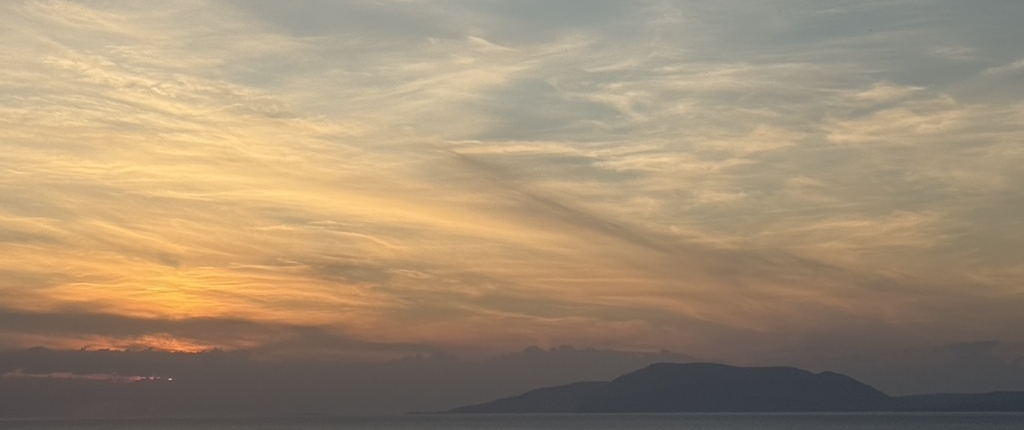
Winter sunset
Best Yogic Breathing Practices for Winter
Here are three effective winter pranayama practices to incorporate into your daily routine:
Dirga Pranayama (Three-Part Breath)
Also called the three-part breath, Dirga Pranayama gently expands the belly, ribs, and chest with each inhale, and empties completely on the exhale. Try inhaling for four counts and then exhaling for four counts; if you find this comfortable you can extend the exhalations to calm your nervous system. Practicing this for five to ten minutes daily enhances lung capacity, promotes relaxation, and generates internal warmth. This gentle technique is perfect for beginners or anyone seeking calming breathing techniques for winter.
Ujjayi Breath for Inner Warmth
Ujjayi, or “victorious breath,” slightly constricts the back of the throat, creating a slow, audible breath, a little bit like you are about to snore, or if you were trying to mist up a bathroom mirror with your breath and then closed your lips. This practice increases circulation, raises body temperature, and strengthens focus. It’s especially useful during winter yoga practices or as a calming ritual during times of stress.
Nadi Shodhana for Balance and Calm
Alternate nostril breathing, or Nadi Shodhana, balances the left and right sides of the nervous system. It reduces anxiety, improves focus, and supports immune function. Practicing this in the evening helps transition the body into deep rest, making it an excellent pranayama for stress and anxiety in winter. Here is a popular video that shows you more about the pranayama practice.
Making Winter Pranayama Part of Your Daily Routine
The key to winter breathing practices is consistency and mindfulness. Even five to ten minutes a day can improve energy, immunity, and mental clarity. Begin your morning with warming breaths, or practice calming techniques like Nadi Shodhana in the evening to ease tension and prepare for restful sleep. By tuning in to the breath, we honour the slower pace of winter and allow the body to restore itself naturally.
Wishing you the best with your yoga practice!
With love,
Genny


